

2027 Big Berks Keynotes and Plenaries
The 2027 Big Berks features a plenary roundtable and a keynote address that frame our theme, “Beyond Boundaries: Gender, History and the Futures We Imagine.” Details for each are listed below. Additional keynotes and plenaries will be posted here as they are confirmed.
Reproductive Justice Futurisms: Black Feminism Defying Predatory Technologies
Friday, June 11, 2027 · 4:00–5:30 p.m.
Co-sponsored by the Coordinating Council for Women in History (CCWH)
Presenters: Dr. Jallicia Jolly·Dr. Loretta J. Ross·Dr. Deirdre Cooper Owens·Dr. Laurie Nsiah-Jefferson
What becomes possible when reproductive justice is understood not only as a framework for analyzing the past and present, but as a methodology for imagining more humane futures?
This roundtable introduces Reproductive Justice Futurisms (RJF), an emerging Black feminist intellectual and movement-based theory of reproductive science and technology that prioritizes Black women’s reproductive experiences as a lens to examine techno-utopianism and resist neo-eugenics. RJF was developed through an ongoing collaboration between scholars, organizers, artists, practitioners, and youth leaders. Building on the historical foundations of the 20th-century reproductive justice movement while responding to rapidly evolving reproductive and genomic technologies, RJF asks what reproductive justice must become in the 21st century to meet the ethical and political challenges of the next fifty to one hundred years. The panel argues that imagining equitable futures requires deep historical grounding in Black feminist analyses of reproductive and genetic technologies, algorithmic governance, privacy-invading surveillance, necro-politics, disability justice, abolition, health equity, and community organizing. Grounded in interdisciplinary, intersectional, and intergenerational work, the panel uses historical methods to illuminate both the afterlives of eugenics and the possibilities for countering them.
This roundtable will examine how Black feminist historical practice enables us to confront contemporary and future threats while also offering methodological tools for building more just futures. The panel highlights the role of archives (embodied, community, and institutional), public history, intergenerational knowledge, community-engaged scholarship, and movement praxis in preserving and expanding histories that dominant systems often seek to erase.
This session moves intentionally across disciplinary, institutional, and temporal boundaries. It invites historians, activists, educators, and public scholars into conversation about how feminist historical practice itself becomes a form of world-building by not only documenting histories of resistance but also future-proofing reproductive justice and human rights.
Presenters
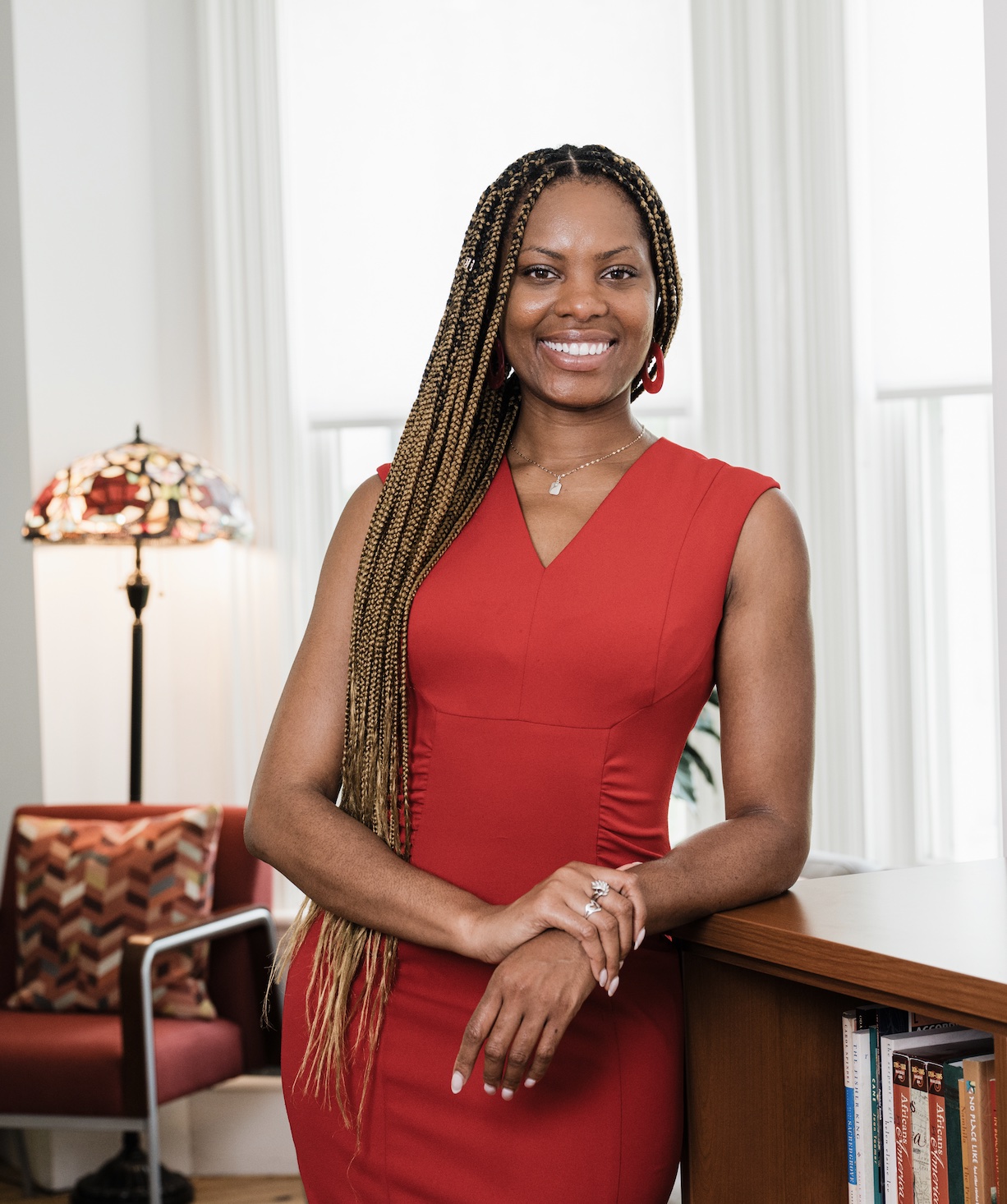
Dr. Jallicia Jolly
Assistant Professor of Black Studies and American Studies, Amherst College
Dr. Jallicia Jolly is an internationally recognized author, speaker, and reproductive justice (RJ) researcher who is an Assistant Professor in Black Studies and American Studies at Amherst College. A 2025 National Academy of Sciences U.S. Kavli Fellow, she researches and writes on Black women’s health, political leadership, Black feminist organizing, and transnational social movements in the U.S. and Caribbean. Dr. Jolly is the author of Ill Erotics: Black Jamaican Women and Self-Making in the Time of HIV/AIDS, an ethnography of the RJ organizing of young Black Jamaican women living and loving with HIV that chronicles their everyday confrontations with illness, reproductive violence, and inequality in neocolonial Jamaica. She is the founding Director of Black Feminist Reproductive Justice, Equity & HIV/AIDS Activism (BREHA), an interdisciplinary RJ and medical humanities lab. She currently writes for Forbes, The Conversation, and Ms. Magazine, and her work has been featured in various media outlets such as The Washington Post, USA Today, Huffington Post, The Boston Globe, and Rewire News. Her work has also been awarded recognition and supported by The Robert Wood Johnson Foundation, The Ford Foundation, Fulbright Scholar Program, The Mellon Mays Foundation, National Women’s Studies Association, and more.
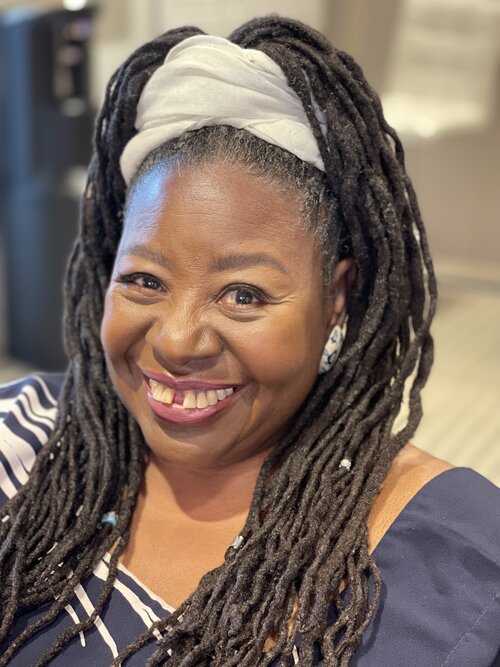
Dr. Loretta J. Ross
Associate Professor, Smith College; Visiting Professor, Yale University School of Nursing
Loretta J. Ross is an Associate Professor at Smith College teaching “White Supremacy in the Age of Trump” and “Reproductive Justice.” She is also a visiting Professor at Yale University School of Nursing teaching “Calling In.” She started her career in social justice movements in the 1970s, working at the National Football League Players’ Association, the D.C. Rape Crisis Center, the National Organization for Women, the National Black Women’s Health Project, the Center for Democratic Renewal (National Anti-Klan Network), the National Center for Human Rights Education, and SisterSong Women of Color Reproductive Justice Collective. Her most popular book is Calling In: How to Start Making Change with Those You’d Rather Cancel. Some of her other publications include Reproductive Justice: An Introduction and Radical Reproductive Justice. Her latest book, Abortion and Reproductive Justice: An Essential Guide for Resistance, was co-written with Marlene Gerber Fried. Her website is www.LorettaJRoss.com.
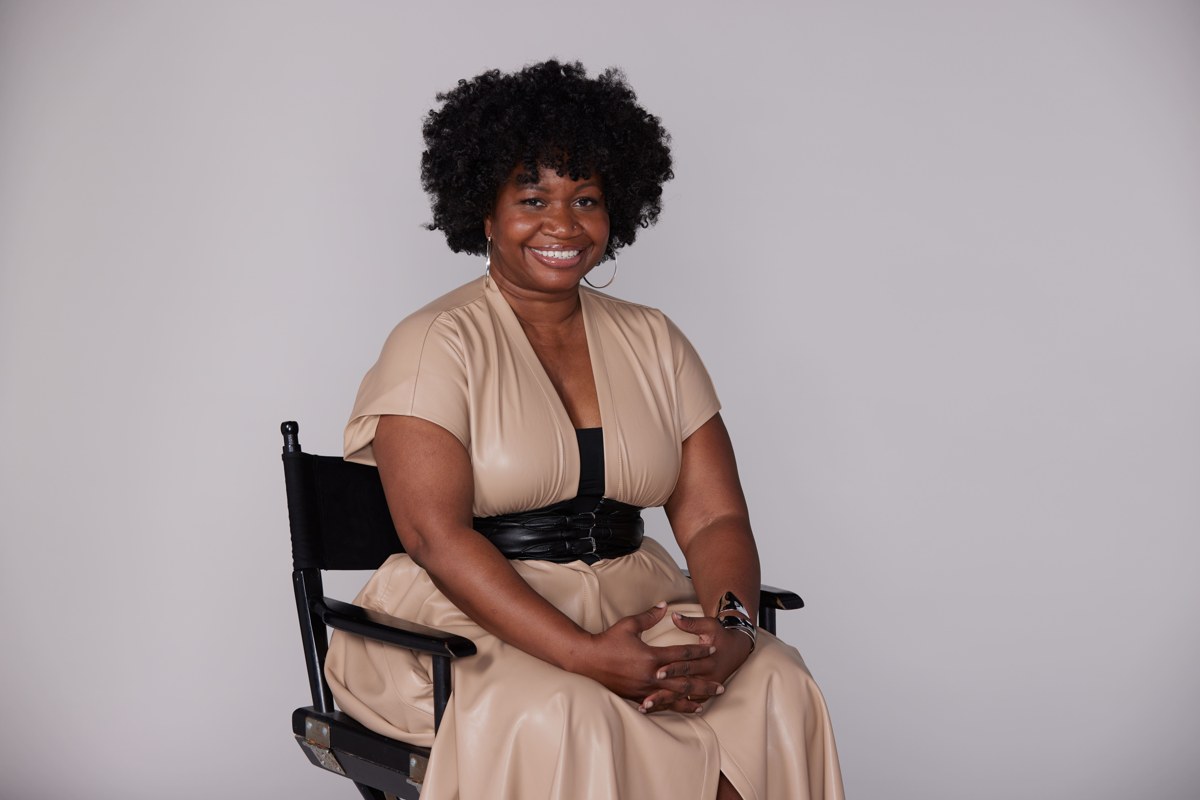
Dr. Deirdre Cooper Owens
Associate Professor of History and Africana Studies, University of Connecticut
Deirdre Cooper Owens is an Associate Professor of History and Africana Studies at the University of Connecticut and has been a reproductive justice advocate for 17 years. Most recently, UCONN has awarded her a Provost Special Achievement Award (2026). Before her most recent appointment, she simultaneously directed the Program in African American History at the Library Company of Philadelphia and a medical humanities program at the University of Nebraska. During that time, she was the only Black woman in the country who served as director of a medical humanities program. Dr. Cooper Owens is a popular public speaker, has appeared in several documentaries, podcasts and television newscasts as a historical expert, and is a nationally recognized reproductive justice advocate. An award-winning scholar and activist, she is an Organization of American Historians’ (OAH) Distinguished Lecturer, a past American College of Obstetricians and Gynecologists Research Fellow, and an elected member of the American Antiquarian Society. Most recently, Dr. Cooper Owens was awarded the 2025 Carter G. Woodson Scholar Medallion Award by the Association for the Study of African American Life and History and Time magazine has named her as one of the country’s “best historians.”
Her first book, Medical Bondage: Race, Gender and the Origins of American Gynecology won a Darlene Clark Hine Book Award from the Organization of American Historians as the best book written in African American women’s and gender history. It has been translated into Korean. She is currently working on a popular biography about Harriet Tubman that will examine her life through the lens of medicine and disability and is also writing a book about race, medical discovery, and the C-section.
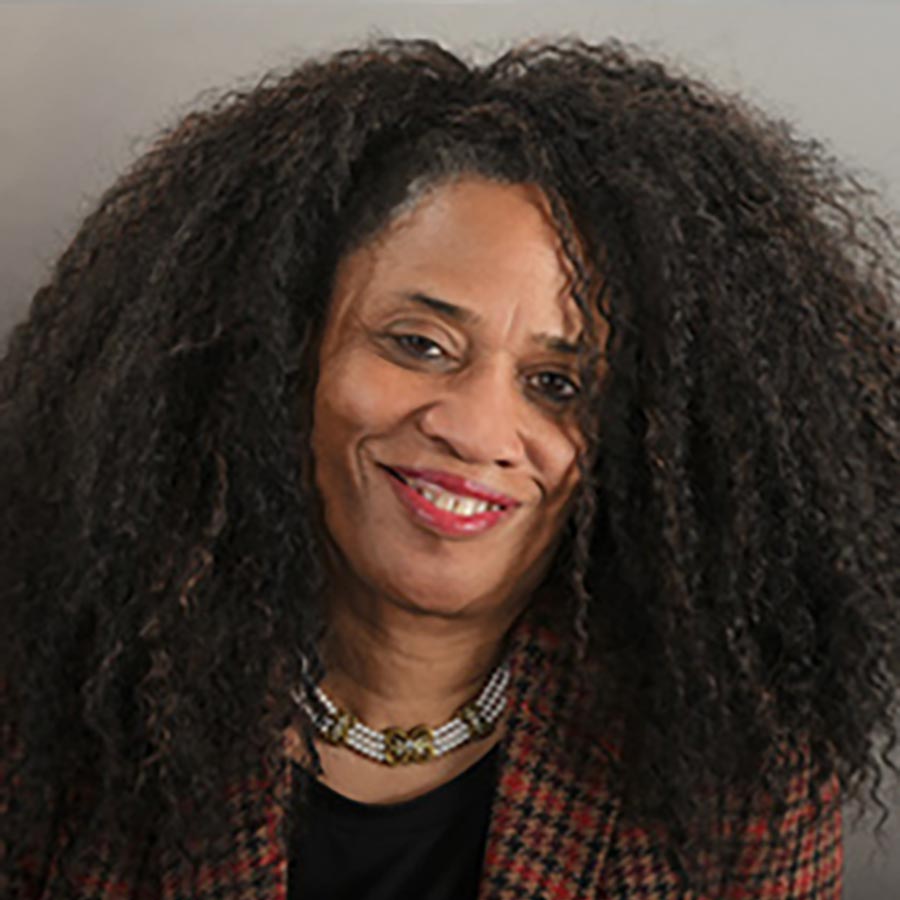
Dr. Laurie Nsiah-Jefferson
Director, Center for Women in Politics and Public Policy, UMass Boston
Laurie Nsiah-Jefferson is the director for the Center for Women in Politics and Public Policy at UMass Boston, and graduate program director for the Gender, Leadership and Public Policy graduate certificate program. In 2018 she was a Visiting Professor in the same program. She has held faculty and senior scientist positions at the Heller School for Social Policy and Management at Brandeis University, where she was affiliated with the Institute for Child, Youth and Family Policy, the Institute on Assets and Social Policy, and the Sillerman Center for the Advancement of Philanthropy.
Dr. Marcia Chatelain
Saturday, June 12, 2027 · 5:00–6:30 p.m.
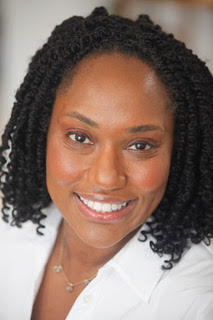
Pulitzer Prize–winning historian and Presidential Penn Compact Professor of Africana Studies, University of Pennsylvania
Marcia Chatelain is the Presidential Penn Compact Professor of Africana Studies at the University of Pennsylvania. She is the author of two books focused on Black women and girls: South Side Girls: Growing up in the Great Migration (Duke University Press, 2015) and How Bright the Path Grows: The Untold Story of the Women Who Made the March on Washington (Pantheon Books, 2026). Her book, Franchise: The Golden Arches in Black America (Liveright Publishing Co./W.W. Norton, 2020) examined the intricate relationship among African American politicians, civil rights organizations, communities, and the fast-food industry. Franchise won several awards, including the 2021 Pulitzer Prize in History, a James Beard Award for Writing, and the Lawrence Levine Award from the Organization of American Historians. Chatelain’s education and research have been supported by grants and fellowships from the Harry S. Truman Scholarship Foundation, New America, the National Endowment for the Humanities, the Ford Foundation, the Carnegie Corporation of New York, and the Guggenheim Foundation. Prior to teaching at Penn, Chatelain was on the faculty of the University of Oklahoma Honors College and Georgetown University’s History Department. Chatelain holds undergraduate degrees from the Missouri School of Journalism and advanced degrees from Brown University’s Department of American Studies. Chatelain makes her home in Washington, D.C. with her spouse and son.
More keynotes and plenaries will be added to this page as they are confirmed. For registration, travel, and accessibility information, visit the Big Berks 2027 page.